
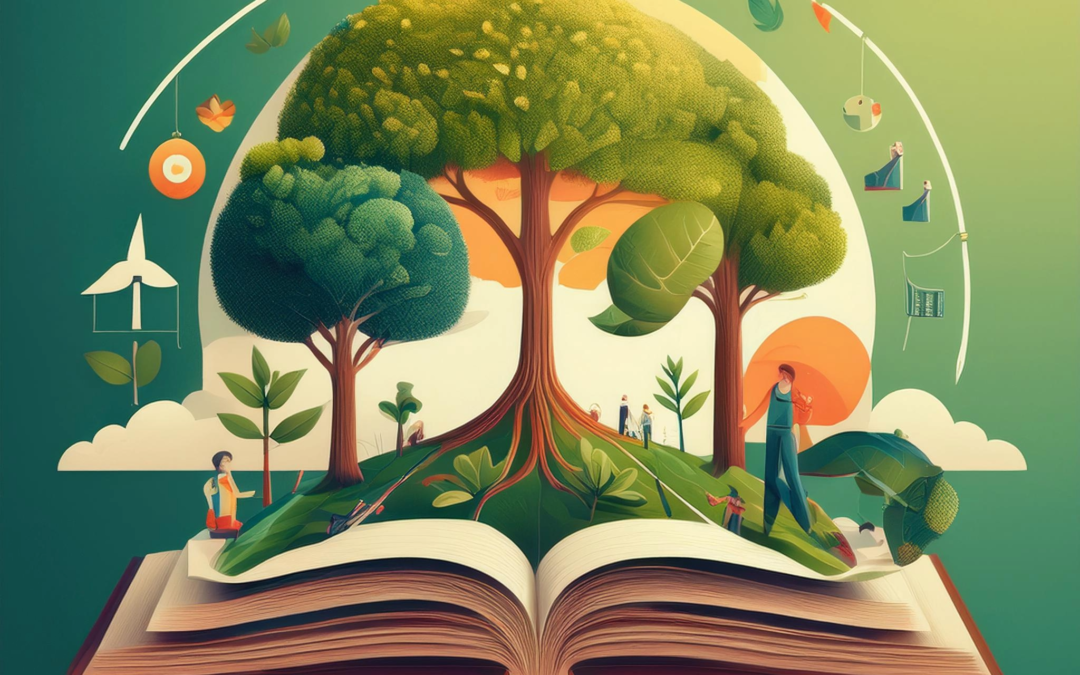
The Sustainable Development Goals (SDGs) of the United Nations represent a comprehensive agenda for a better world. These goals aim to end poverty, reduce inequality, protect the environment, and promote well-being for all. However, in practice, it is often challenging to balance these diverse goals, especially when they seem to have conflicting priorities.
The Tension Between Social and Environmental Goals
For example, consider the goals of No Poverty (SDG 1) and Quality Education (SDG 4) versus Affordable and Clean Energy (SDG 7) and Responsible Consumption and Production (SDG 12). While the first two goals focus on improving the well-being and opportunities of people, the latter two emphasize protecting our planet and promoting sustainable practices.
No Poverty is a crucial goal directly related to improving the living standards of the most vulnerable populations. Quality Education is essential to help individuals escape poverty, provide them with the skills needed for a better future, and contribute to economic growth.
On the other hand, Clean Energy and Responsible Consumption and Production are fundamental to protecting the planet from climate change and resource depletion. They require a shift in how we produce and consume energy, which in the short term may mean making concessions that could impact economic growth and poverty alleviation.
The Difficult Choices
The challenge arises when governments, businesses, and organizations must decide where to allocate their resources and attention. Investing in clean energy and sustainable production methods can lead to a more sustainable world in the long term, but in the short term, it might divert resources from immediate poverty alleviation or improving education infrastructure.
Additionally, promoting responsible consumption, such as discouraging overconsumption or increasing taxes on unsustainable products, can put economic pressure on low-income groups who are already struggling to make ends meet. This makes prioritizing such goals complex and laden with ethical considerations.
Education as the Key to Balance
Although these goals may seem contradictory at times, there is an argument that a strong focus on Quality Education (SDG 4) can bridge these priorities. Education provides people with the knowledge and skills to not only improve their own standards of living but also make informed choices that contribute to a more sustainable world. It fosters critical thinking, innovation, and a better understanding of the impacts of consumption and production.
By investing in education, we can create a generation that is better equipped to tackle the challenges of poverty, inequality, and climate change. Education creates a well-informed population that not only fights for social justice but also actively contributes to environmental protection and sustainable economic growth.
Conclusion: The Primacy of Education
While all SDG goals are important, the significance of education cannot be overstated. Education is the engine that enables progress on other goals. It empowers people to escape poverty, stimulates innovation in clean energy, and promotes responsible consumption and production. Therefore, the importance of education should be weighted heavily in decision-making and resource allocation. By placing education at the center, we lay the foundation for a sustainable and equitable future for everyone.